
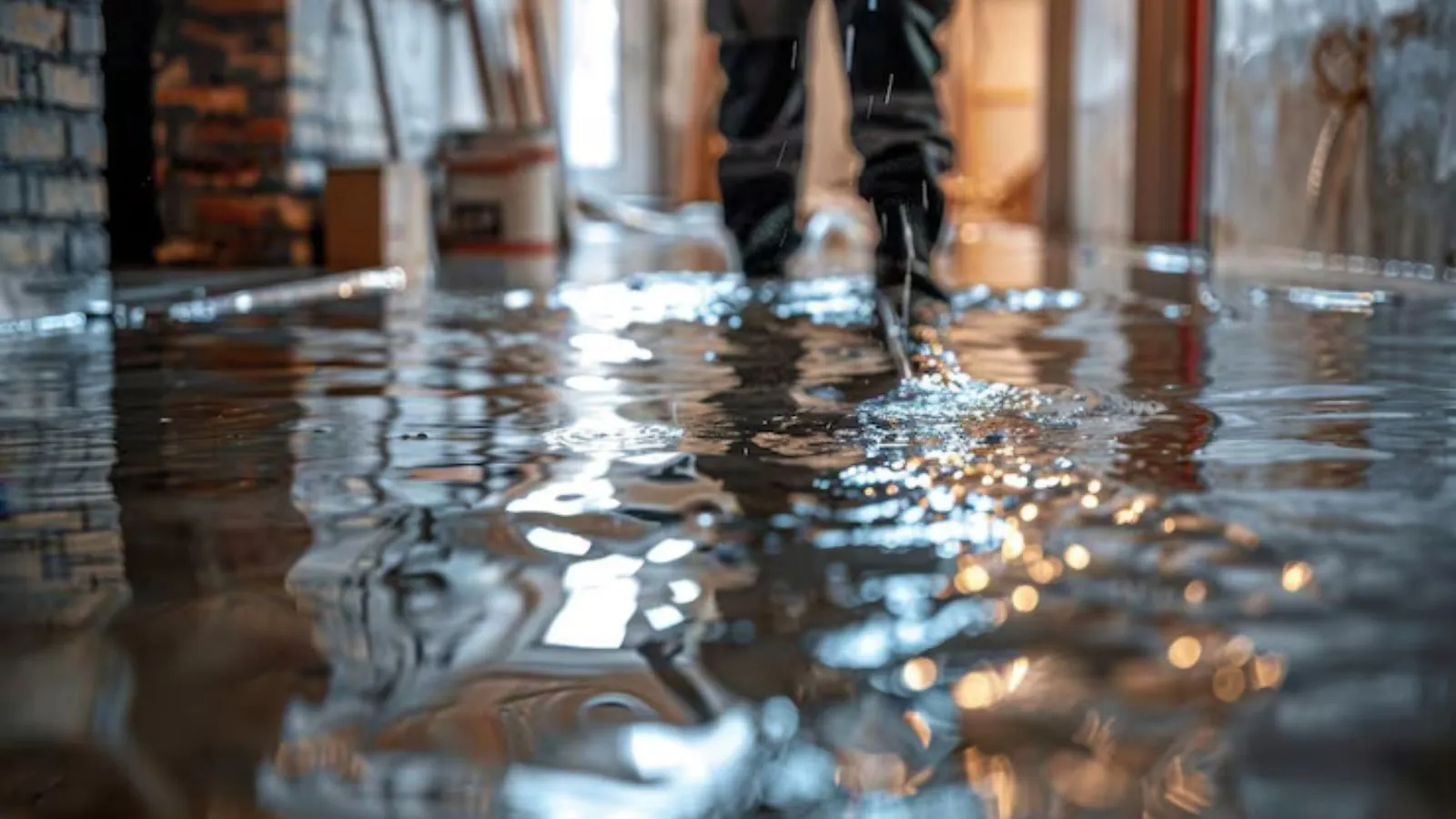
Water extraction is the removal of standing and saturated water from a building using pumps, wet vacuums and truck-mounted or portable extraction units. If water is on your floor in Blue Springs right now, this is an emergency, and the 24/7 line is the fastest way to start. While you wait, stop the source if you can reach the shutoff, keep everyone out of any water near outlets, and lift small items off the floor.
The urgency comes from how fast a wet building changes. Carpet pad, subfloor edges and drywall start wicking water upward and outward within hours. The EPA advises drying water-damaged areas and items within 24 to 48 hours to prevent mold growth, and extraction is the step that makes that window realistic.
When standing water is an emergency
Any depth of water that you cannot mop up in an hour counts. Water that is moving, water that touches electrical outlets or the panel, and water that smells of sewage all move the job from cleanup to emergency. Call the electric utility or 911 first when you suspect an electrical or gas risk, then call the restoration line.
Water that came from the clean supply side of a pipe is the easiest to remove and the most forgiving. Water from a toilet, a floor drain, a creek or a storm sewer changes how crews protect themselves and what has to be thrown away. The sewage backup page covers that contaminated case in detail.
How extraction actually works
Crews start by finding where the water is deepest and where it is hiding. Moisture meters and thermal cameras show wet subfloor, wall bases and cabinet toe-kicks that look dry from above. Submersible pumps handle depth first, because a pump moves hundreds of gallons faster than any vacuum can.
Once the standing layer is gone, wet vacuums and weighted extraction wands pull water out of carpet and pad. Truck-mounted units give the strongest suction and are staged outside. Portable extractors carry the same job up stairs and into finished basements where a hose run is not practical.
| What you see | Typical first tool | What it is for. |
|---|---|---|
| Inches of water across a room | Submersible pump | Removes bulk water quickly so the floor can be assessed. |
| Soaked carpet and pad | Weighted extractor or truck-mounted wand | Pulls water out of fibers and padding before it reaches the subfloor. |
| Water pooled in corners or under cabinets | Wet vacuum and narrow tools | Reaches places a pump cannot. |
| Hard floor that looks dry but is damp | Moisture meter and thermal camera | Finds hidden wet areas before drying equipment is placed. |
Extraction is the first step, drying is the second
A floor with no standing water can still hold a lot of moisture. That is why extraction is followed by air movers and dehumidifiers, set up according to the ANSI/IICRC S500 standard for water damage restoration. The structural drying and dehumidification page explains that second stage, including how crews decide when a building is actually dry.
Skipping the drying stage is the most common reason a floor that looked fine on day one develops cupped boards, a musty smell or mold two weeks later. Ask any company how it will confirm the structure is dry, and expect an answer that involves readings, not just a visual check.
Water extraction in Blue Springs homes and businesses
Blue Springs has a mix of older neighborhoods near Downtown and newer subdivisions toward Adams Dairy Parkway, and the cause of standing water differs between them. Basements and walkouts take in rain through window wells and sump failures. Slab homes take it through supply line breaks and appliance floods. The basement water damage page covers the below-grade case when the water is coming from the ground.
The city provides its own water and sewer service through Utility Billing at City Hall on West Main Street. If a water main or a city line is involved, call the city. If the water came from inside your walls, the main shutoff in your home is the valve to find first. ZIP codes 64013, 64014 and 64015 are all part of the area we dispatch to around the clock.
Water is standing on the floor now
Describe the depth, the source and whether any outlets are wet. The dispatcher will tell you what to do next.
Call (816) 575-8173What shapes the cost of water extraction
No honest company can price extraction before knowing a few facts. These are the factors that move the number most.
- Water category, from clean supply water up to contaminated Category 3 water.
- How deep the water is and how many square feet it covers.
- What it soaked: carpet and pad, hardwood, tile, drywall or a finished basement.
- How many hours or days it has been sitting.
- Whether drying, controlled demolition or rebuild follows the extraction.
Want your real number? Call (816) 575-8173 and describe the loss. Scope and price are explained before work starts.
Insurance and documentation
Many homeowners policies respond to sudden and accidental water, such as a burst supply line or a failed appliance hose. Rising surface water from a flood is usually excluded and needs separate flood coverage, and the National Flood Insurance Program typically has a 30 day waiting period. Read your policy or ask your agent which situation you are in.
Take photos of the water and the damaged items before extraction begins, then keep any receipts. A written record of what was wet, for how long, and what equipment ran is what an adjuster will ask for later. If your claim is slow or disputed, the Missouri Department of Commerce and Insurance consumer line at 800-726-7390 is the state's own resource.
Crews also serve nearby Independence and the rest of the Jackson County side of the metro, so a call from just outside city limits is routine. When the water is already past the extraction stage and the walls are wet, the flood damage cleanup page and the burst pipe page cover the specific sources.
Water extraction questions
Yes. The dispatch line is open 24 hours a day, every day, and a night or weekend call is handled the same way as a weekday one. Same-day response is offered when crews are available, and the dispatcher tells you what to do about the source and the electrical hazards while you wait.
A small room can be extracted in a couple of hours. A flooded basement or a multi-room slab loss takes longer because of volume and access. Extraction is only the first stage, and the drying that follows usually runs for days.
Rental gear works for a shallow spill on hard floor. For wet carpet pad, wall cavities or anything over a few inches deep, professional extraction and a moisture map are safer, because hidden moisture is what causes mold later.
Only if you can reach the panel without stepping in water. If the panel or outlets are wet or you are unsure, stay out and call the electric utility or 911 first. Never wade through standing water near live electricity.