
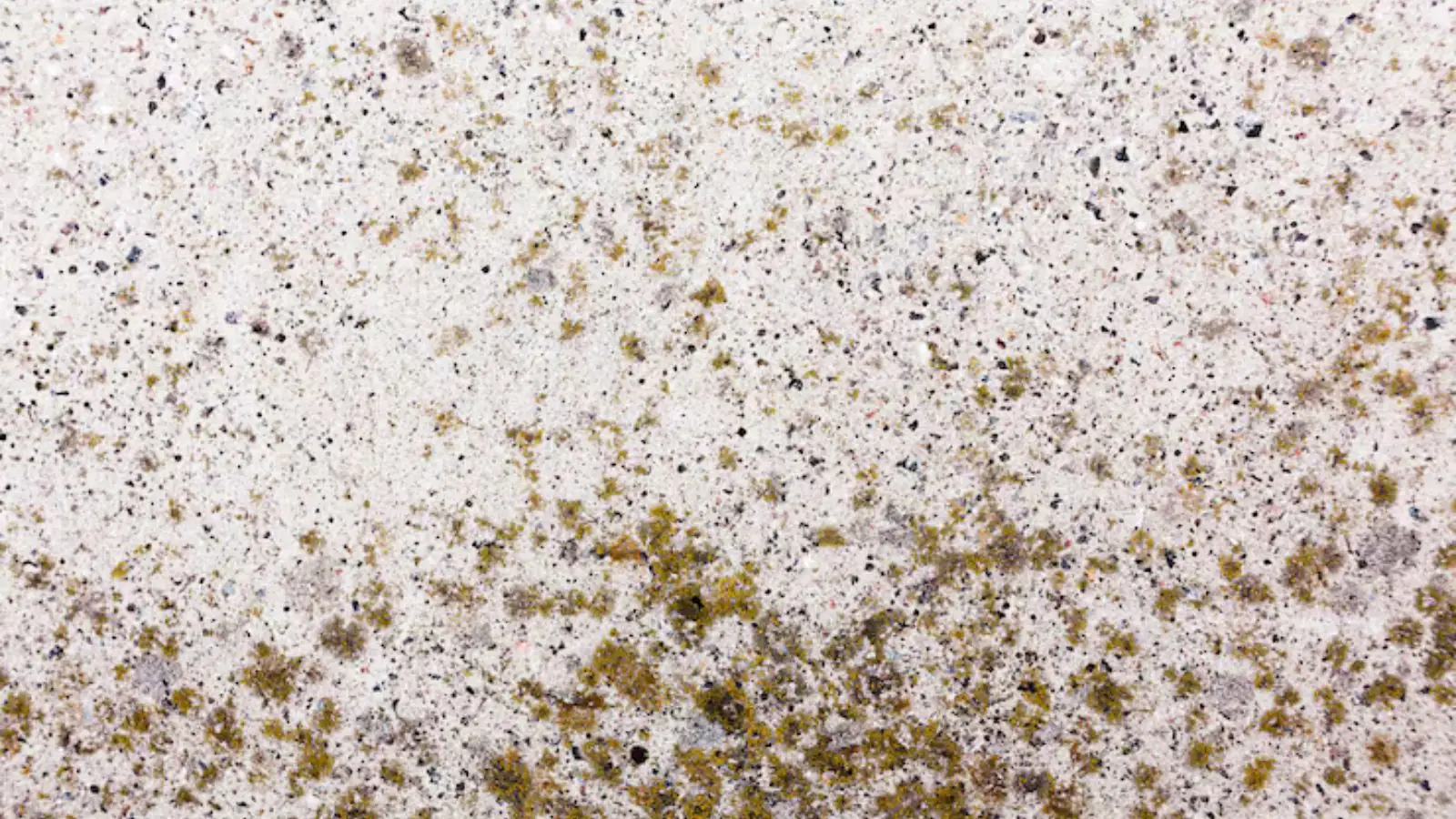
Mold remediation is the process of fixing the moisture source, containing affected areas, removing or cleaning contaminated materials and verifying the result. In Blue Springs, mold usually follows a leak, a flood or high humidity that was not dried. Call when you see growth, smell mustiness or know a wet area stayed wet for more than a couple of days.
The ANSI/IICRC S520 standard describes professional mold remediation, and the EPA publishes guidance for building owners. This page explains the steps so you can judge any proposal you receive.
I see mold after a leak. What now?
Visible growth or a musty smell after water damage means moisture lasted long enough for mold to develop. The trade term for the work is mold remediation. Stop the water source, keep the area closed off, and do not scrub or dry-brush the growth, since that spreads spores.
Step one is always moisture
Mold needs water. The EPA states that if moisture is not controlled, mold returns. The first job is finding the source, whether a leak, condensation or a wet crawl space, and drying the structure. The structural drying page explains the drying stage.
Remediation without drying only treats the symptom. A company that talks only about spraying and never about moisture readings is skipping the main step.
Inspection, testing and clearance
An inspection looks at the building, the moisture and the visible growth. Testing, such as air or surface sampling, is optional and depends on the situation. Many remediation jobs proceed on visual findings alone. Testing can help when growth is hidden, when a dispute exists or when a lender or buyer wants documentation.
Clearance is the check after cleanup that confirms the work met its goal. It may be a visual check, moisture readings or a sample taken by an independent party. If you need mold clearance for a home sale or loan, ask the buyer's side what they accept, and consider an independent tester so the person who cleaned is not the only one judging the result.
| Stage | What happens | Why it matters. |
|---|---|---|
| Moisture source repair | Leak fixed, structure dried | Stops regrowth. |
| Containment | Plastic barriers and negative air | Keeps spores from spreading. |
| Removal and cleaning | Porous materials removed, hard surfaces cleaned | Takes out the growth. |
| HEPA vacuuming and wiping | Fine dust and spores collected | Cleans residual material. |
| Verification | Visual check, readings or sampling | Confirms the goal was met. |
Seeing or smelling mold?
Call, describe the area and when it got wet. Crews plan inspection and next steps.
Call (816) 575-8173What gets removed
Porous materials such as drywall, insulation and ceiling tile that are moldy are usually discarded. Hard surfaces like tile, metal and sealed wood can often be cleaned. The EPA notes that carpet and ceiling tiles may need to be thrown away. For larger areas, professional help is advised, and the EPA guide uses about ten square feet as a reference point for small jobs.
Wall and ceiling damage are covered on the wall repair page and the ceiling repair page.
Questions about health
People ask whether mold makes them sick. That question belongs with a physician, and this page makes no health claims. For the building, the practical step is to remove the growth and the moisture. If someone in the home has a medical concern, tell your doctor and the remediation company so they can plan around it.
Mold in Blue Springs homes
Basements, crawl spaces, bathrooms and attics are common places for moisture. The Kansas City area has humid summers, so basements and closed rooms can stay damp without a leak. A dehumidifier and good ventilation help, but they do not fix an active leak.
Crews cover ZIP codes 64013, 64014 and 64015 and nearby Lees Summit. The crawl space page and the basement page cover the two spaces where mold appears most often.
What to do before help arrives
- Stop the water source if it is still active..
- Keep the area closed off and do not dry-brush the growth..
- Do not run fans that blow air across moldy surfaces..
- Photograph the area and note when it got wet..
What shapes mold remediation cost
Mold pricing depends on the area, the materials and the access.
- Square feet of affected area.
- Which materials must be removed.
- Containment and air filtration needed.
- Testing or clearance if requested.
- Rebuild after removal.
Want your real number? Call (816) 575-8173. Scope and price are explained before work starts.
Insurance
Mold coverage varies and is often limited or excluded. Ask your agent about mold terms, and keep records of the water event that caused it. Missouri's Department of Commerce and Insurance consumer line is 800-726-7390.
Mold remediation questions
Not always. Visible growth can be remediated without testing. Testing helps for hidden growth, disputes or a sale or loan.
A clearance check after cleanup, which may be visual, moisture-based or sample-based. Ask what the company uses.
Bleach does not fix the moisture and does not penetrate porous materials. Follow EPA guidance or hire a pro.
Ask what the buyer or lender requires. An independent tester can provide a report beyond the cleaning crew's own check.