
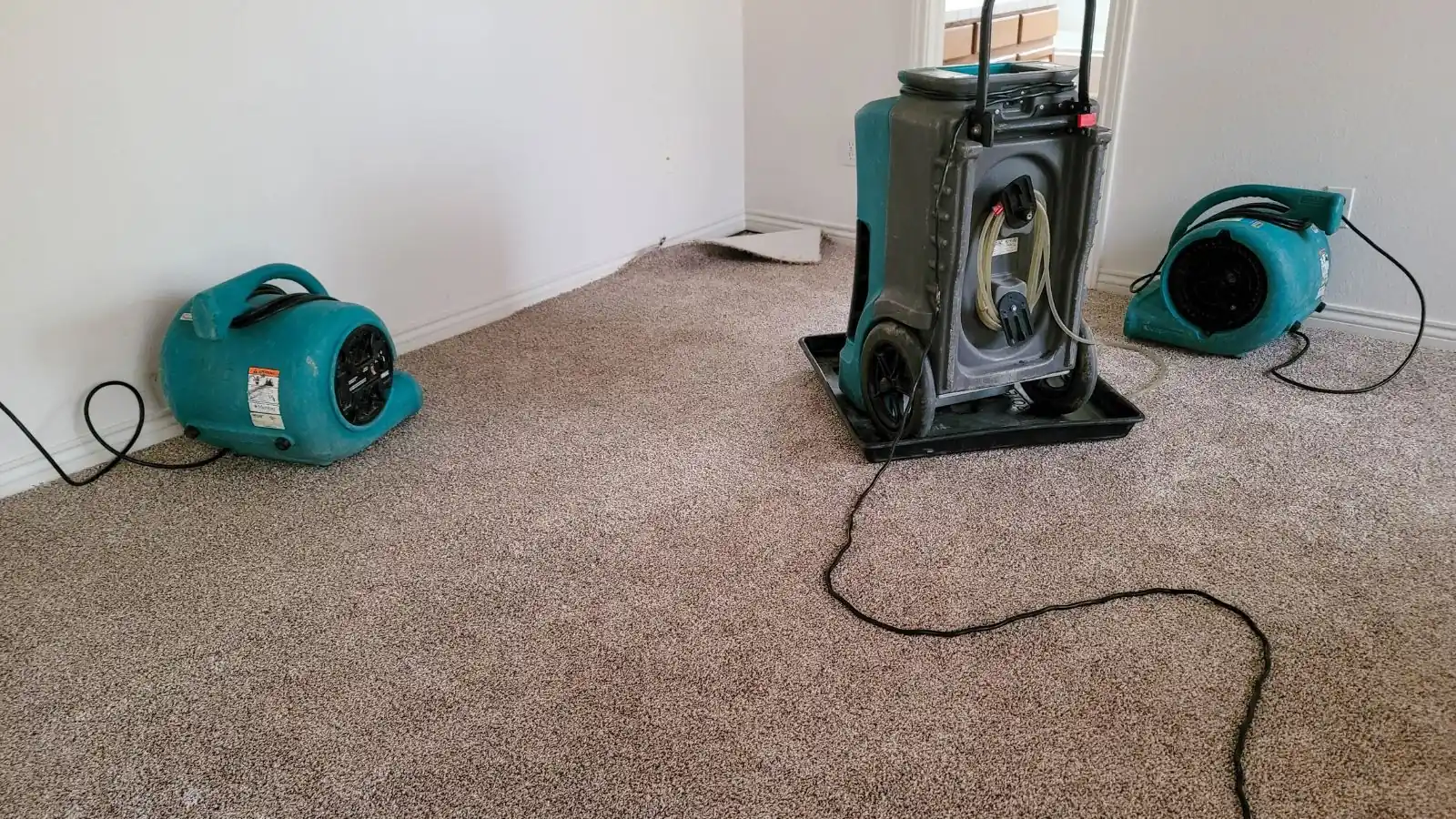
After a water loss, the hardest part is deciding what to save. The answer depends on two things: what kind of water it was, and what the item is made of. Hard, non-porous items can usually be cleaned. Porous items that stayed wet or touched contaminated water are usually discarded. This guide gives a framework for sorting.
Keep photos and a list of everything you discard, because your insurer may ask for it. Do not throw out valuable or sentimental items before checking whether they can be saved.
Start with the water category
The ANSI/IICRC S500 standard groups water into three categories. Category 1 comes from a clean source, such as a supply line. Category 2 carries some contamination, such as dishwasher or washing machine discharge. Category 3 is grossly contaminated, such as sewage or river flood water.
Clean water that sits can degrade into Category 2 or 3 over time. A quick response keeps more items in the savable column. Sewage and flood water almost always mean discarding porous items.
Hard items: usually savable
Glass, metal, sealed ceramic and hard plastic can generally be cleaned and disinfected. Wash with detergent and water, rinse and dry thoroughly. For items touched by sewage, use a disinfectant per its label and wear gloves.
Solid wood furniture with a good finish can often be dried slowly and wiped down. Fast heat can warp it, so let it dry in a cool, ventilated room.
Soft items: depends on the water
Upholstered furniture, mattresses and pillows soak up water and hold it. If the water was clean and the items dried within a day or two, some can be saved with professional cleaning. If the water was contaminated or the items stayed wet, discard them.
Clothing and linens are easier. Launder them in hot water if the fabric allows. Items that smell musty after washing may need a second wash or may not be recoverable.
| Item | Clean water | Contaminated water. |
|---|---|---|
| Glass, metal, sealed tile | Clean and dry | Clean and disinfect. |
| Solid wood furniture | Dry slowly and clean | Case by case, often discard. |
| Upholstered furniture | Professional cleaning if dried fast | Discard. |
| Mattresses and pillows | Often discard if soaked | Discard. |
| Clothing and linens | Launder | Launder hot or discard. |
| Carpet and pad | Dry or replace pad | Discard. |
| Drywall and insulation | Dry in place or cut | Cut out and discard. |
| Food and packaged goods | Discard if flood touched them | Discard. |
Not sure what is savable in your home?
Call and describe the water and the materials. Crews explain what usually works.
Call (816) 575-8173Food, medicine and household chemicals
Discard food that touched flood or sewage water, including canned goods whose seals may be compromised. When in doubt, throw it out. Discard medications and cosmetics that came into contact with contaminated water.
Check your freezer and refrigerator if power was out. Spoiled food is a separate loss that insurers may ask about.
Electronics, papers and keepsakes
Do not plug in wet electronics. The Consumer Product Safety Commission and the Electrical Safety Foundation advise keeping power off until an electrician or technician has inspected wet appliances. Papers and photos can often be saved by air drying or freezing within about two days, according to the National Archives, though freezing does not kill mold.
Handle sentimental items with care and ask a conservator for valuable pieces. The mold remediation page explains what to do when odors persist.
How to document what you toss
- Photograph each item before discarding..
- List the item, age and rough value..
- Keep swatches of carpet or fabric if the adjuster might need them..
- Bag contaminated items separately and label the bag..
- Keep receipts for disposal or cleaning..
Cabinets, counters and built-ins
Kitchen and bath cabinets are a frequent question. Solid wood boxes can often dry in place if the water was clean. Particleboard boxes swell and lose strength when they stay wet, and they are usually replaced. Laminate countertops can peel at the edges, while stone and solid surface tops usually survive.
Ask a restoration crew to check moisture inside the cabinet base before deciding. The kitchen water damage page explains how dry-out works around cabinets.
Rugs, curtains and soft decor
Area rugs can usually be cleaned if the water was clean and they are dried quickly. Take them outdoors or to a well-ventilated room and hang them to dry. Curtains and drapes can be laundered or dry cleaned. Anything that smells musty after cleaning may have been wet too long.
Wool and silk need extra care, and valuable rugs should go to a specialist.
When to stop and ask
A good rule is to separate what is cheap to replace from what is expensive or sentimental. For cheap items, discard when in doubt. For expensive or sentimental ones, pause, keep them dry and ask a professional. Waiting a day to decide costs little, while a hasty toss cannot be undone.
Taking care of yourself during cleanup
Cleanup is tiring, and tired people make mistakes. Take breaks, drink water and stop if you feel dizzy or short of breath. Wear gloves and boots when handling wet debris, and avoid lifting heavy waterlogged items alone. Ask friends or family for help with the heavy work.
Wash your hands and any skin that touched floodwater or sewage with soap and clean water, and clean cuts promptly. If a wound gets red or swollen, see a doctor.
A local note for Blue Springs
Large items can be hard to dispose of after a loss. Ask your trash hauler or the City of Blue Springs about bulk pickup rules, since they vary and may change after storms. Utility Billing at City Hall, 903 W Main Street, can point you to the right office.
Crews serve all of Blue Springs and nearby towns such as Independence and Buckner, and the sorting rules are the same everywhere.
When in doubt
If an item is irreplaceable, store it dry and ask a professional. If it is cheap and porous and stayed wet, replace it. A short call to a restoration company can save a lot of guesswork, especially for carpet, drywall and cabinets. See the carpet page and the wall and drywall page for materials-specific detail.
What to keep questions
Usually not if it was soaked. Mattresses hold water deep inside and are hard to dry.
Hard, sealed items can be cleaned. Upholstered pieces that touched flood water are usually discarded.
Not always. Clean water caught early may leave carpet savable, while pad is often replaced.
Air dry or freeze them within about two days, then see a conservator for valuable items.