
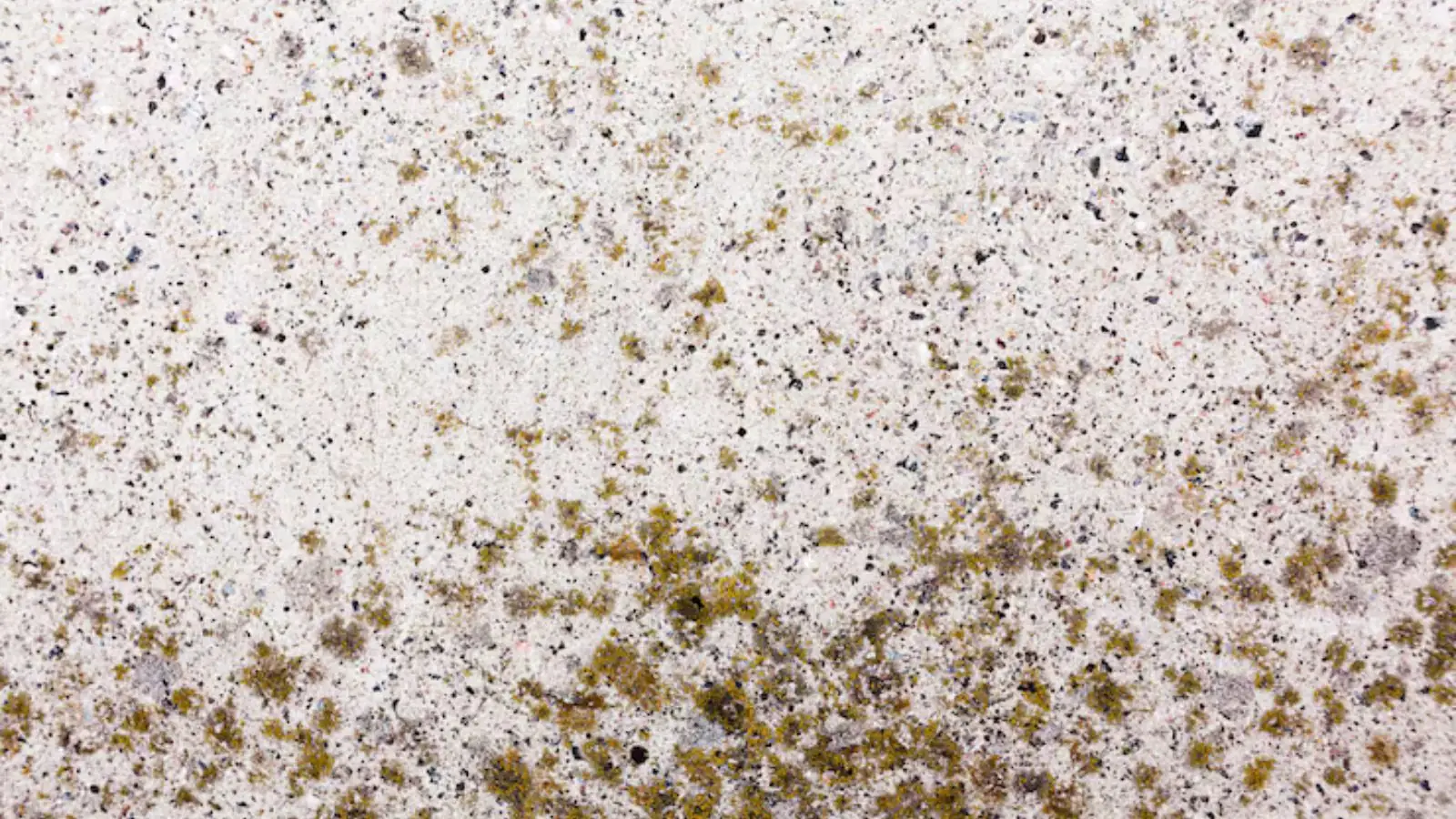
Killing basement mold is less about a single product and more about matching the method to the surface. Hard, non-porous surfaces such as sealed concrete and tile can often be cleaned. Porous materials such as drywall, insulation and carpet usually cannot be cleaned well and are removed. All of it depends on fixing the moisture first, because mold comes back wherever damp conditions return.
This guide is for small, surface-level growth. For larger areas or growth after flooding, professional help is the safer route, and the mold remediation page explains how it works.
Before you clean: find the water
The EPA's guidance on mold is clear that moisture control is the key. If you scrub mold off a damp wall and the leak continues, the growth returns. Look for a leaking pipe, a failed window well, a wet foundation wall, a clogged dryer vent or a dehumidifier that cannot keep up.
Run a moisture meter over the wall or ask someone with one. If the wall reads wet, it needs drying, not just cleaning. The structural drying page explains how drying is measured.
Concrete, block and tile
Hard, sealed surfaces are the easy case. Wear gloves, eye protection and a well-fitted respirator, and open windows for airflow if the weather allows. Scrub with a detergent and water solution using a stiff brush, then rinse and dry the surface completely.
Unsealed concrete and block are porous at the microscopic level, so stains may remain after the growth is gone. Drying is still the main step. If the wall keeps wicking moisture from outside, cleaning will not hold.
Wood framing and trim
Solid wood can often be cleaned if it is structurally sound. Wipe with detergent and water, then dry it fully. Light surface growth on framing can sometimes be sanded or cleaned off by a professional using HEPA vacuums. Soft, crumbling or deeply stained wood suggests rot, and that needs a carpenter.
Do not paint over damp wood. Primers that claim to stop mold cannot fix an active moisture problem.
Drywall, insulation and carpet
These materials trap moisture and growth below the surface. The EPA notes that porous materials such as carpet and ceiling tiles may have to be thrown away if they are moldy. Drywall with visible growth is usually cut out and replaced, not scrubbed.
Bag moldy debris in heavy plastic before carrying it through the house. Cut a margin beyond the visible growth and check the framing behind it. If the area is larger than about ten square feet, the EPA guidance suggests professional help.
| Surface | Usual approach | Caution. |
|---|---|---|
| Sealed concrete or tile | Detergent scrub, rinse, dry | Fix moisture or it returns. |
| Unsealed block or concrete | Scrub and dry, then address wicking | Stains may remain. |
| Solid framing and trim | Clean and dry or professional sanding | Replace if soft or rotten. |
| Drywall and insulation | Remove and replace | Do not paint over. |
| Carpet and pad | Remove and discard | Odor lingers if left. |
Mold across a large area or after a flood?
Call and describe it. Crews explain inspection, containment and cleaning options.
Call (816) 575-8173What about bleach?
Bleach is a common first thought, but it has limits. It does not fix moisture, it does not penetrate porous materials and it can irritate the eyes and lungs. Never mix it with ammonia or other cleaners, since the combination can release dangerous gases.
Detergent and water plus thorough drying handle most hard-surface cleaning. If you choose a product, read its label and follow it exactly. When in doubt, ask a professional.
Protect yourself while you work
- Wear an N95 or better respirator, goggles and long gloves..
- Keep the work area ventilated, and seal doorways to the rest of the house with plastic..
- Do not dry-brush or sweep dry mold, since that spreads spores..
- Wash clothes separately and shower afterward..
- Stop if anyone with health concerns lives in the home and ask a physician..
Why surface cleaning alone often fails
Mold on a surface is the visible part. Underneath, hyphae can grow into porous materials, and spores spread through the air each time the area is disturbed. A quick wipe may remove the color without removing the growth, and the stain can return within weeks if humidity stays high.
That is why the guidance from the EPA focuses on fixing moisture and removing damaged porous materials rather than on a single cleaning product. A product label is not a substitute for dry conditions.
Prevention after cleanup
- Keep basement humidity in a range your hygrometer shows as comfortable and steady..
- Run a dehumidifier with a drain hose so it does not fill and shut off..
- Clear gutters and extend downspouts away from the foundation..
- Keep storage off the floor on shelves and away from exterior walls..
- Check window wells, sump pumps and laundry hoses a few times a year..
These habits cost little and catch problems early. If a damp smell returns, treat it as a signal to look for water again.
Tools worth having
- A pair of nitrile gloves and splash goggles..
- A fitted respirator rated for fine particles..
- A stiff brush and a bucket of detergent solution..
- A moisture meter and a hygrometer..
- Heavy plastic bags for debris..
These are inexpensive and cover most small jobs. Anything that needs more than this usually needs a pro.
A local note for Blue Springs
Many Blue Springs homes have full or walkout basements, and Kansas City area summers are humid. A basement that smells musty in July may only need a dehumidifier, while one that smells musty after rain may have a water entry point. Find out which before you scrub.
Window wells, grading and gutters are common culprits. If water also reaches the lower level, the basement water damage page covers pump-out and drying. Homes in Greenwood and Lees Summit share the same humidity pattern.
When to stop and call
Call a professional when growth covers a large area, returns after cleaning, appears after sewage or flood water, or is in the HVAC system. Also call when you cannot find the moisture source. A professional can inspect, contain the area and verify the result.
Basement mold questions
Vinegar is sometimes used on hard surfaces, but detergent and water plus thorough drying is the standard approach. None of it works without fixing the moisture.
Small surface patches on hard surfaces, with protective gear and ventilation. Larger or flood-related growth calls for professionals.
It helps with humidity but does not fix leaks or wet walls. Use it alongside repairs.
Not always. Visible growth can be cleaned without testing. Testing helps when growth is hidden or when documentation is needed.