
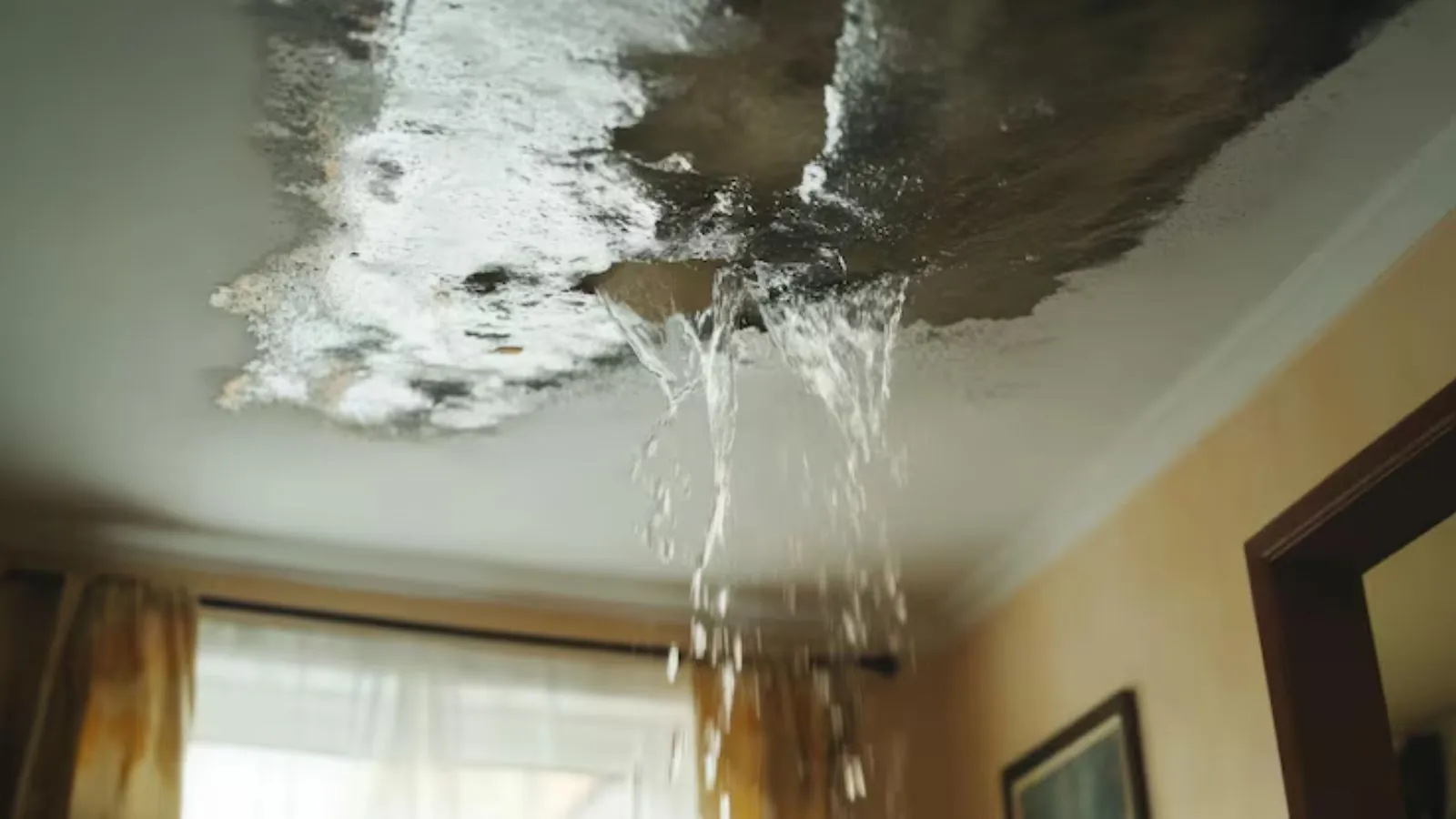
Filing a water damage insurance claim is a sequence of small steps, and the order matters more than speed in any one of them. First make the situation safe and stop the water. Then document the damage, report the loss and begin mitigation while the insurer reviews the claim. This guide walks through that order for a Blue Springs home.
It is general information, not legal or insurance advice. Your policy has its own deadlines and requirements, so read it or ask your agent.
Step one: make it safe and stop the source
- Close the shutoff for the leaking fixture or the main water valve..
- Stay out of water near outlets, cords or the panel. Call the electric utility or 911 if there is a hazard..
- Move people and pets away from contaminated water, especially sewage..
- Lift small valuables and electronics out of the water if you can do it safely..
Insurers expect you to prevent further loss, and these steps do that. If you need emergency help, the burst pipe page and the water extraction page explain what crews do next.
Step two: document before anything moves
Take wide photos of each room, then close-ups of the damage and the source. Record a slow video walk-through while you narrate what you see. Photograph serial numbers on damaged appliances and electronics. A dated record is the strongest evidence you can create.
Write a quick list of damaged contents with rough age and value, and add to it over the next days. You will remember more once the stress eases. Keep damaged items until the adjuster has seen them or has told you they can go.
Step three: report the loss
Call your insurer or agent promptly and ask for a claim number. Tell them what happened, when you found it and what you have done to limit the damage. Ask what they require, such as a proof of loss form, and when.
Write down the name of each person you talk to, the date and what was said. If your policy has a reporting deadline, meeting it protects the claim. Keep it factual and avoid guessing about causes you do not know.
Need drying started while the claim opens?
Call the 24/7 line. Crews begin drying and keep logs for your file.
Call (816) 575-8173Step four: mitigate while you wait
Waiting for an adjuster should not mean waiting for drying. The EPA advises drying wet areas and items within 24 to 48 hours to prevent mold growth. Reasonable emergency mitigation is usually part of the claim, and receipts matter.
Ask the restoration company for written scope, moisture readings, photos and an equipment list. Those records show what was wet and what was done. The structural drying page explains the readings.
Step five: meet the adjuster
The adjuster may visit, ask questions and take their own photos. Show them the source, the wet areas and the items you saved. Give them your photos and your content list. Ask when to expect a decision and who to call with questions.
If you disagree with the adjuster's scope, ask for the reasoning in writing. Compare it with your contractor's scope and bring up the differences in a calm, factual way.
| What to keep | Why it helps. |
|---|---|
| Photos and video from day one | Shows the condition before cleanup. |
| Plumber or repair invoice | Identifies the cause and the date. |
| Receipts for emergency work | Supports reimbursement of mitigation. |
| Moisture logs and equipment list | Shows what was dried and for how long. |
| Claim number and call notes | Keeps a clear record of contact. |
Mistakes that slow down a claim
- Throwing away damaged items before photographing them..
- Waiting days to report the loss because you were not sure it counted..
- Signing paperwork you have not read in the rush to get help..
- Making permanent repairs before the insurer has seen the damage..
- Losing track of who you spoke with and what was promised..
Each of these is avoidable. A simple notebook or a notes app on your phone, kept from the first call, makes the rest of the process easier.
How long a claim can take
Timelines vary with the size of the loss, the insurer and how busy the area is after a storm. A small, clear loss can move fast, while a large or disputed one can take weeks or more. Ask the adjuster for an expected timeline and a point of contact.
Meanwhile, keep the structure dry. A claim that is slow is no reason to let moisture sit, because mold and secondary damage can grow the loss and complicate coverage. Keep records of each day equipment ran and each reading taken.
What to say and not say to the insurer
Stick to facts: what you saw, when you saw it and what you did. Avoid guessing at causes or blaming people. If you are not sure, say so. It is fine to say that you are waiting on a plumber's report. If a recorded statement is requested, you can ask what it covers and take a moment to prepare.
According to the EPA, wet materials should be dried within 24 to 48 hours, and professional drying follows the ANSI/IICRC S500 standard.
What to do first, before you call the insurer
- Make the area safe and stop the water..
- Photograph everything before it moves..
- Write down when you found the damage..
- Keep receipts for emergency steps..
A local note for Blue Springs
If a city line is involved, such as a water main break or a street sewer backup, tell your insurer and also contact the City of Blue Springs. Utility Billing at City Hall, 903 W Main Street, can help with questions about your account and meter.
Crews serve all three Blue Springs ZIP codes, 64013, 64014 and 64015, and also neighbors such as Oak Grove and Buckner. Wherever you are, the claim steps are the same.
If something goes wrong
Slow responses and disputes happen. Follow up in writing, keep copies and ask for a supervisor if needed. The Missouri Department of Commerce and Insurance consumer line is 800-726-7390, and insurance.mo.gov explains the complaint process.
Be careful about signing an assignment of benefits or a contract with a company that pressures you. Read what you sign and ask what it means for your claim.
Claim filing questions
As soon as you can safely do it. Check your policy for a deadline and call your insurer or agent promptly.
Not for emergency mitigation. Stop the water, document the damage and start drying, and keep receipts.
Tell the insurer, describe what was discarded and share any photos. Keep what remains.
They can provide records and scope, but the claim is between you and your insurer. Read any paperwork before signing.